
THE BAHAMAS
The Bahamas consists of 700 islands and over 2,000 rocks and cays, located across 100,000 square miles of the Atlantic Ocean, north of the Caribbean Sea. Visitors can enjoy swimming in the clearest water on the planet, which features every shade of crystal-clear blue. The 16 main islands that make up The Bahamas each offer their own mix of nature, adventure, culture, and of course relaxation, offering a perfect vacation experience for everybody. You can learn more about each of the islands and their most popular destinations and attractions below.
NASSAU & PARADISE ISLAND
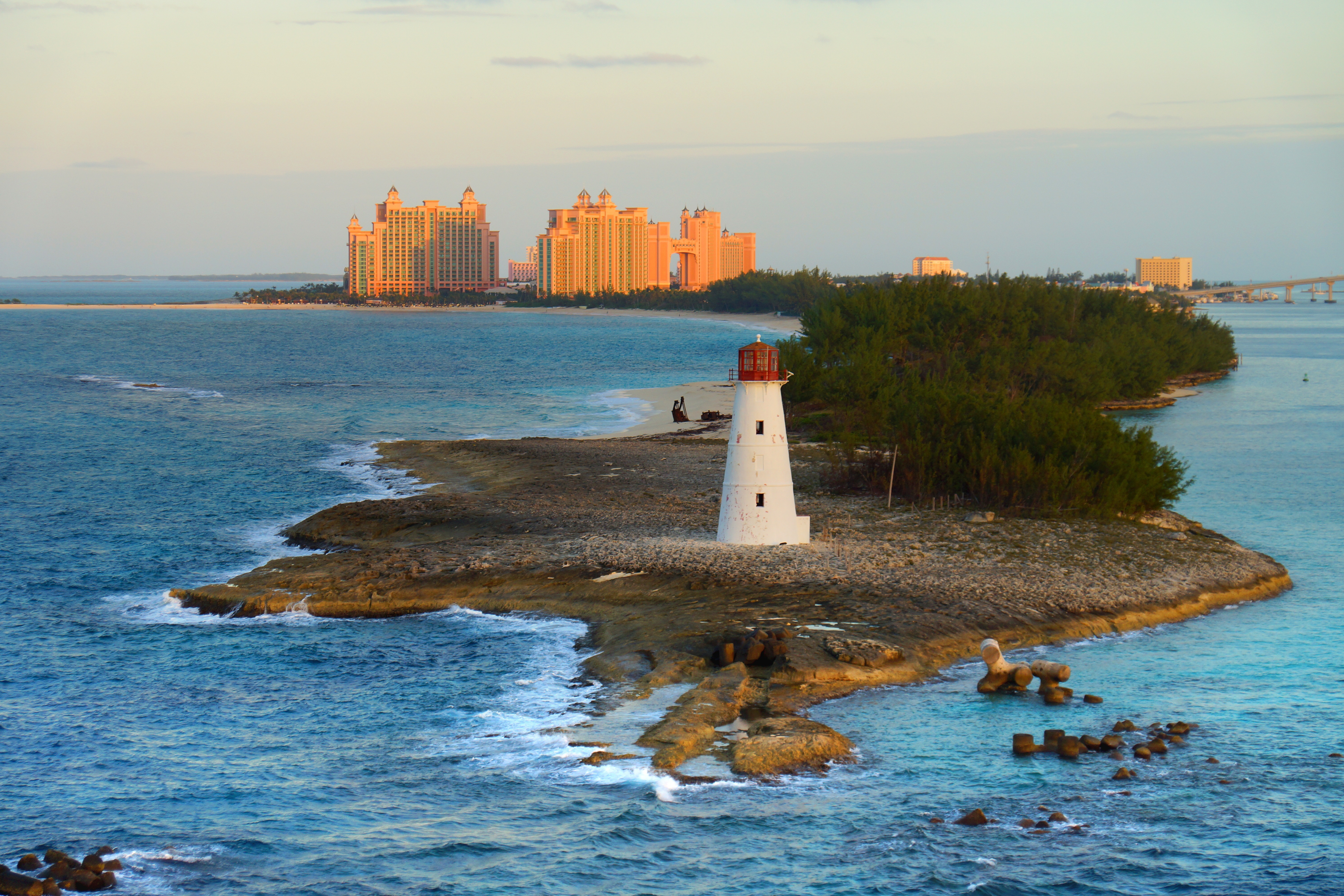
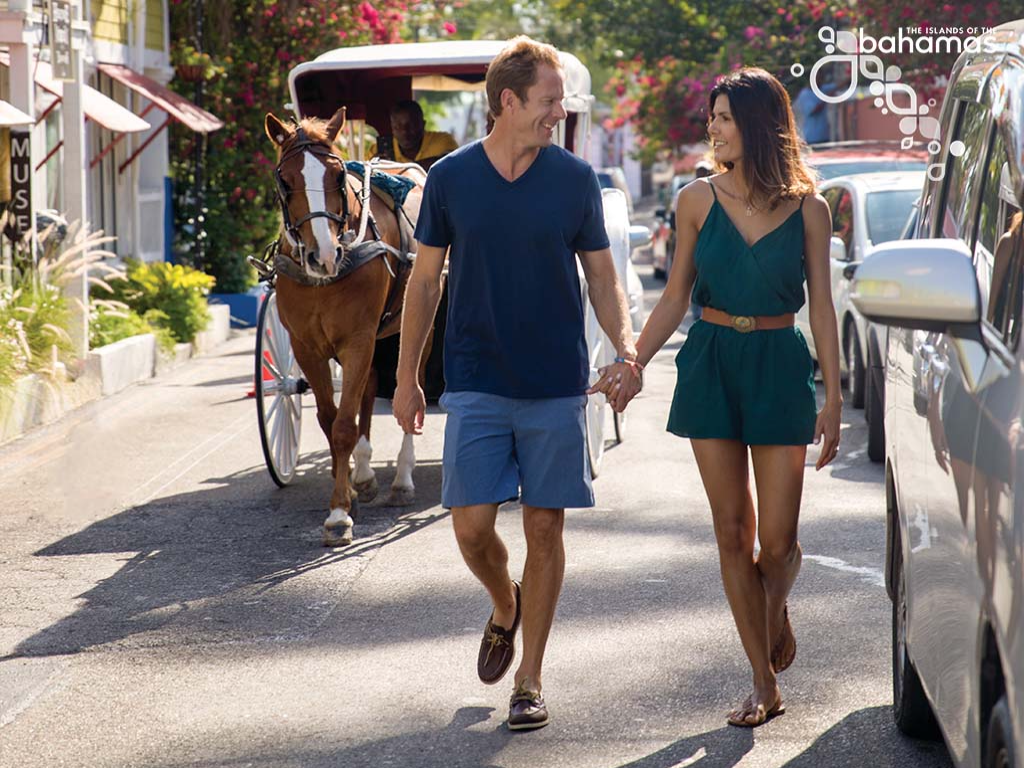
Nassau, located on the island of New Providence, is the capital and largest city of The Bahamas, and is a popular port for cruise ships. There are two bridges which connect New Providence to Paradise Island, where you’ll find many large hotels and resorts, like Atlantis.
FREEPORT & GRAND BAHAMA ISLAND
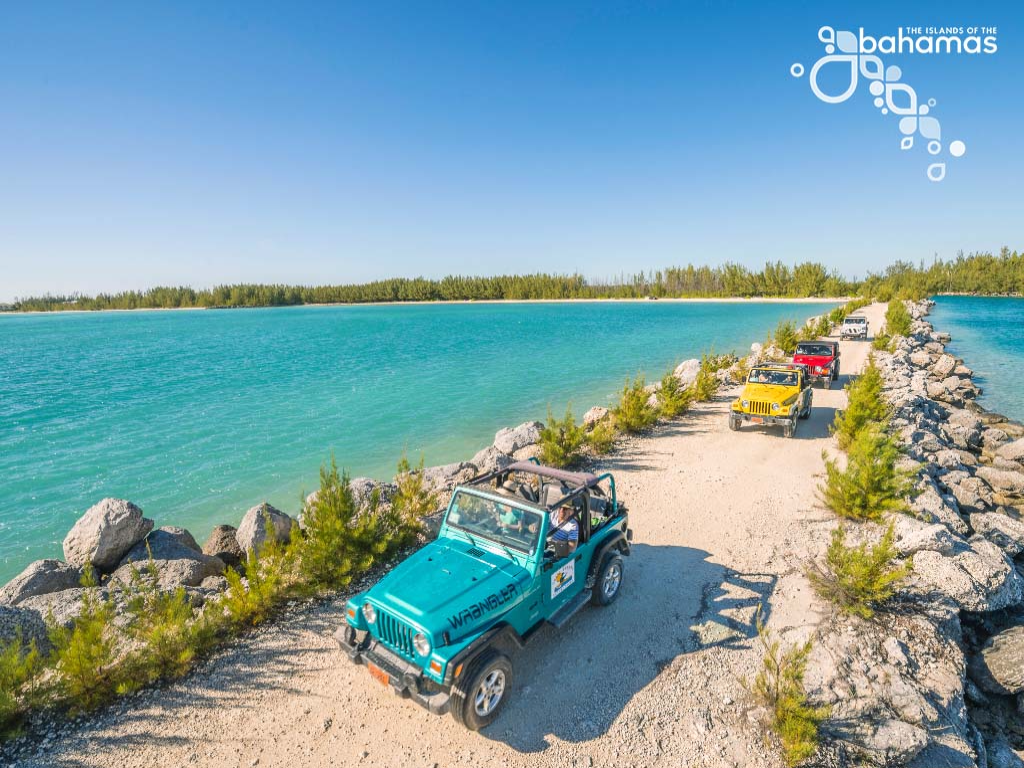
Freeport is the main city on Grand Bahama Island, the fourth largest and northernmost island of the Bahamas. You can hop on a plane, take a cruise, or even travel by ferry from Fort Lauderdale, FL to Freeport, Grand Bahama, and enjoy miles of white sand beaches, nature preserves, and crystal clear blue water.
THE ABACOS
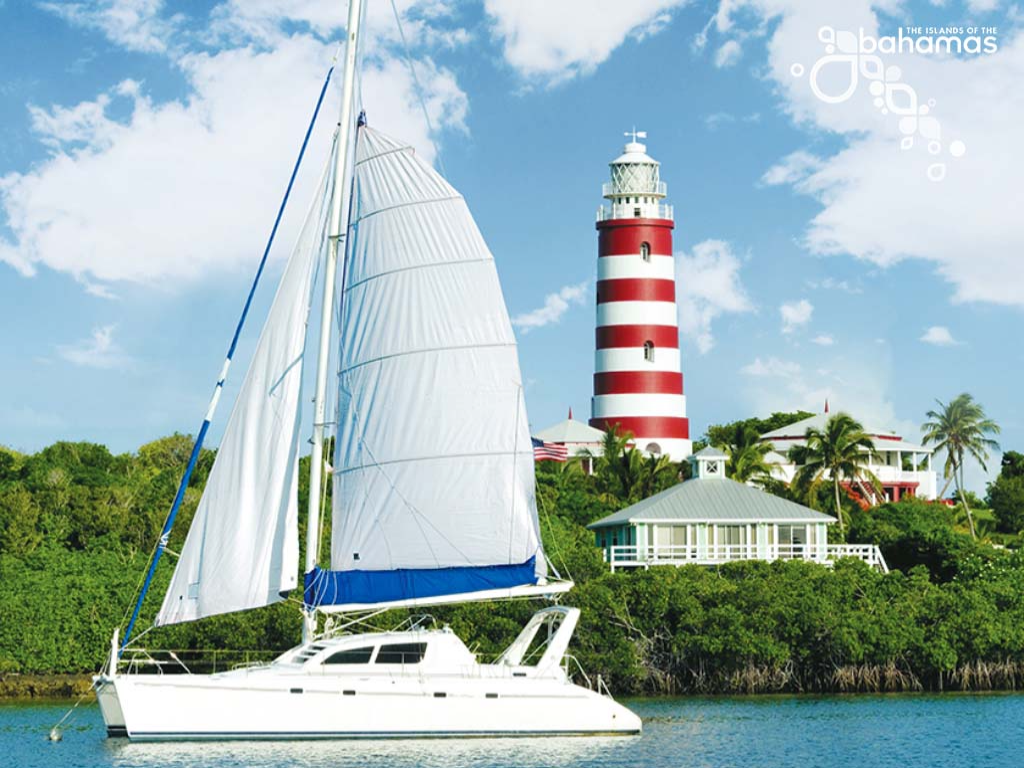
The Abacos, a 120-mile chain of islands and cays, is an ideal vacation destination for families, couples, and boaters. It is known as the boating capital of the Bahamas and is one of the world’s best boating and sailing destinations. Those who prefer to explore by land will enjoy the quaint colonial towns, championship golf courses, and miles of beautiful beaches. To make the most out of your trip to the Abacos, you should plan to visit more than one island. Some of the most popular destinations include Marsh Harbour, The Abaco Cays, Hope Town, Man-O-War Cay, and Green Turtle Cay.

ELEUTHERA & HARBOUR ISLAND
One of the most popular spots when visiting Eleuthera is Harbour Island. Located just off the northern tip of Eleuthera, Harbour Island’s shore is lined with pink sand beaches, which get their color from the bright pink or red shells of microscopic marine organisms called Foraminifera. But what Eleuthera is best known for is the high cliffs on the eastern side of the island, where there are more natural wrecks than any other island in The Bahamas. Eleuthera is also known for its pineapple plantations and the annual pineapple festival, which celebrates the pineapple heritage of The Bahamas.

THE EXUMAS
365 of the 700 Bahamian Islands are within the Exuma chain, which is divided into three main areas: Great Exuma, Little Exuma and the Exuma Cays.
Great Exuma is the anchor of the Exumas, and George Town, its capital, features markets and casual Bahamian restaurants. Across the harbor on Stocking Island you’ll find a series of beaches separated by limestone promontories. Cross over the small bridge which connects Great Exuma to Little Exuma and you can visit the longest beach in the Exumas chain, the Tropic of Cancer Beach.
In the hub of the Exuma Cays, Staniel Cay, visitors can snorkel at Thunderball Grotto, an underwater cave system filled with colorful coral reefs, fish, and exotic marine life. Take a boat just North of Staniel Cay to swim with the pigs at Big Major Cay, sometimes called “Pig Beach.”
BIMINI
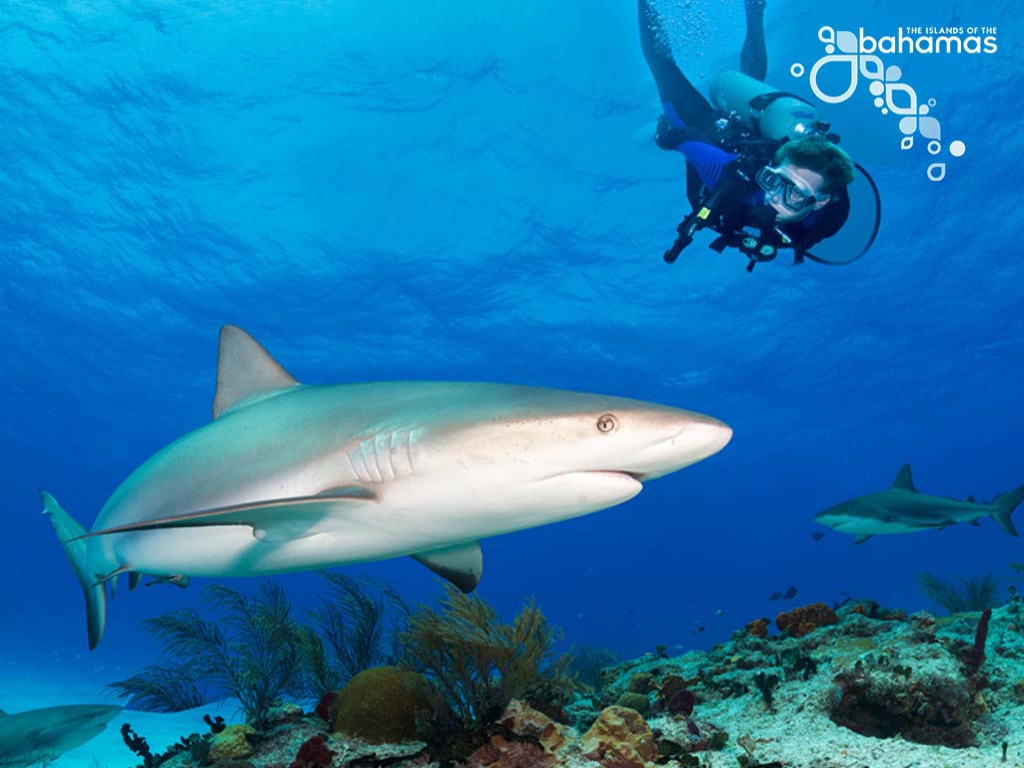
Bimini is composed of two main islands, North Bimini and South Bimini, along with a few smaller islands, which are connected by a shallow flat. Bimini is located at the edge of an underwater cliff that falls thousands of feet into the blue abyss, and the Gulf Stream rushes past, feeding and warming the coral reefs and serving as a watery highway for everything from marlin to manta rays, dolphin to sea turtles. This unique location makes Bimini the Out Islands’ favorite diving and fishing frontier outpost.
THE BERRY ISLANDS
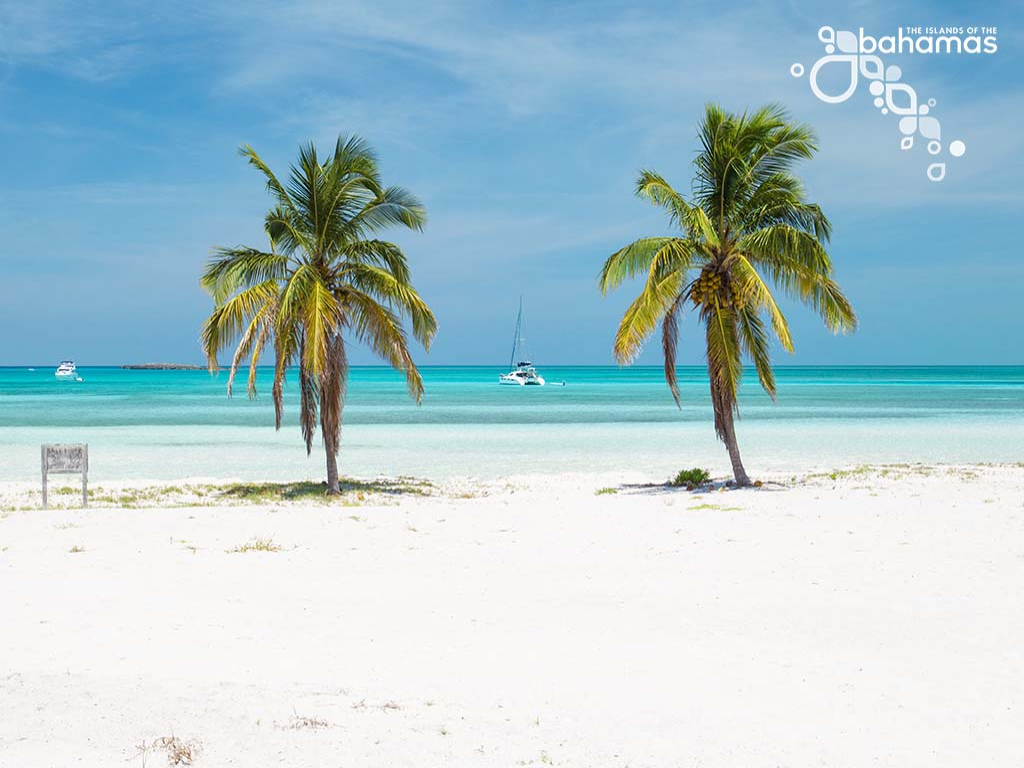
A cluster of 30 cays located southeast of Bimini, these largely uninhabited islands are great for sports fishermen and underwater adventurers. Off the coast of Chub Cay, often referred to as “The fishbowl of The Bahamas,” bait fish are drawn into the submarine gardens and larger fish follow, making it a fisherman’s paradise. Chub Cay is famous for its record-breaking catches, and while it’s known as the Billfish Capital of The Bahamas, there is also an abundance of tuna, grouper, tiger fish, yellowtail snapper, wahoo and king mackerel.

ANDROS
Andros is the largest yet most sparsely developed island of all of The Bahamas and is nature’s paradise. The earth’s third-longest barrier reef lies adjacent to Andros, along with a mile-deep abyss called the Tongue of the Ocean, which is filled with whales, dolphins, and marlins. Underwater caves can also be found all over the island. Bird enthusiasts can enjoy watching the many birds which stopover in Andros on their yearly migration, joining local exotics such as ibis, spoonbills, woodstars and the rare Bahama parrot, and thrill seekers can try hunting for land crabs.
CAT ISLAND
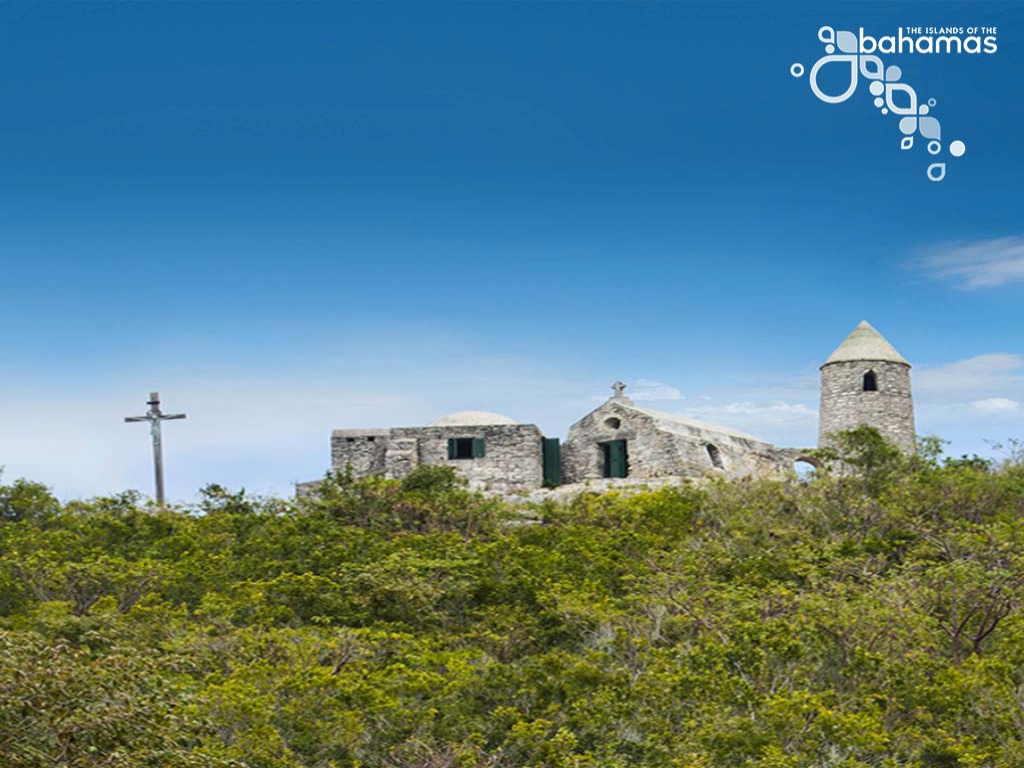
Much of Cat Island has not been developed, making it the perfect vacation spot for those who want to get away from it all. Sharks, dolphins, and stingrays are common companions for divers exploring the coral reefs, blue holes, undersea walls, caves, and shipwrecks found off the shores of Cat Island, and guides are always available to help beginners experience life under the sea. Visitors can explore the island by bike, enjoy a picnic on the beach, spot turtles, rays, and other colorful sea life while kayaking, or search for Arawak Indian caves on the trails. Hikers can also tackle Mount Alvernia, which has the highest elevation in The Bahamas at 206 feet above sea level.
LONG ISLAND
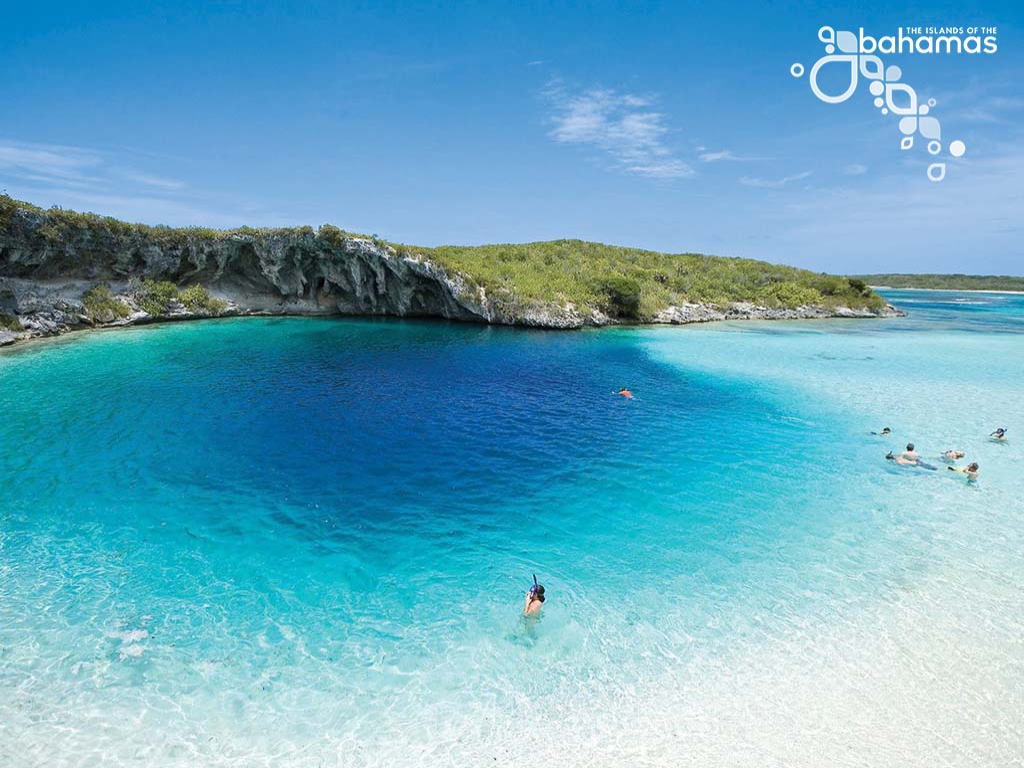
On the east coast of Long Island you’ll find dramatic cliffs and caves, which are perfectly complemented by the miles of pink, yellow, and white sand beaches found on the west coast. Divers and snorkelers should visit Long Island to check out the deepest recorded blue hole in The Bahamas (the second deepest in the world!), Dean’s Blue Hole, which measures at more than 600 feet deep. Visitors can also enjoy the ocean views at Columbus Point, or take a tour of Deadman’s Cay Caves to see the stalagmites and stalactites.
THE SOUTHERN BAHAMAS
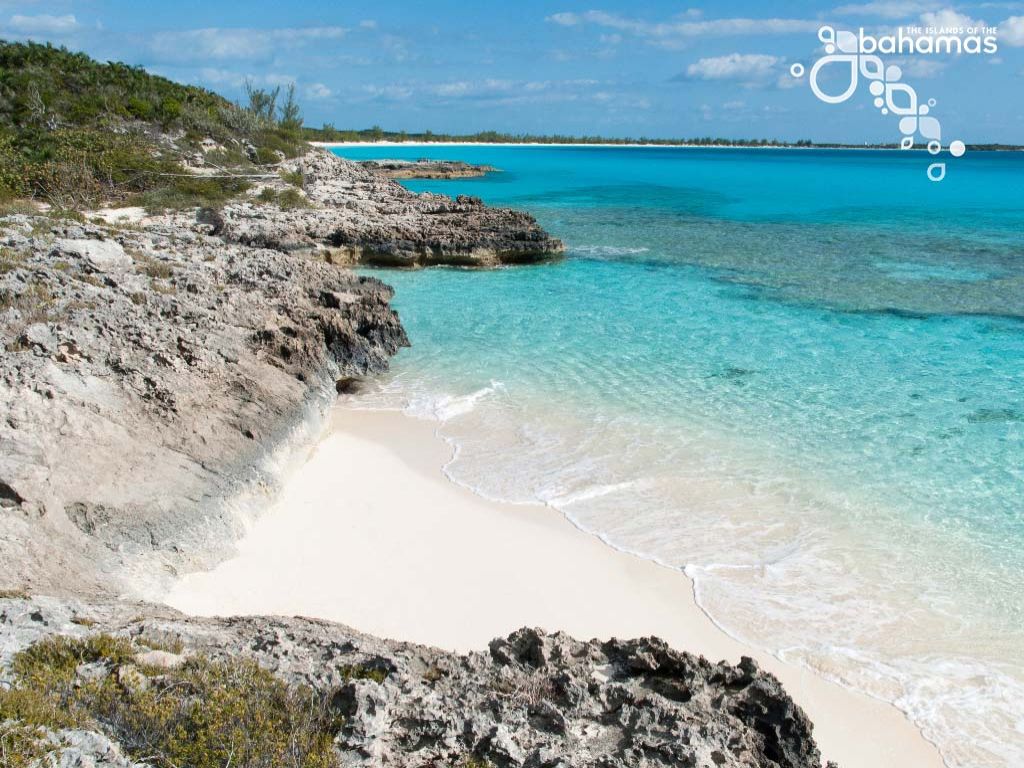
San Salvador is one of the most southeastern islands of The Bahamas and is actually the exposed peak of a mountain, rising 15,000 feet above the ocean floor. The island is surrounded by reefs and its landscape consists mostly of dune ridges, with troughs forming lakes which cover nearly a third of the island.
San Salvador’s sister island, Rum Cay, is a hidden gem in The Bahamas, great for diving, fishing, and kite-surfing, or just enjoying the peace and tranquility at Conception Island National Park. Cottages can be rented in Port Nelson, the main settlement in Rum Cay.

ACKLINS & CROOKED ISLAND
With just over 400 residents, the scarce population of Acklins attracts those seeking solitude among the nature. Its exotic rock formations and secluded beaches with crystal clear vibrant water are the biggest lures for guests. In The Bight of Acklins, a small lagoon with more than 1,000 miles of knee-deep water, visitors will find some of the best bonefishing in The Bahamas, and the snorkeling is spectacular. Travel across The Bight of Acklins by ferry to visit Crooked Island and explore the natural beauty both above and below sea level. Exploring on land, visitors will find limestone caves all around the island and birds thriving on the cliffs and reefs. Under water, divers can explore the coral gardens, shelves and reefs, while the deep creeks, tidal flats and pools filled with game fish attract fishermen.
INAGUA, MAYAGUANA & RAGGED ISLAND
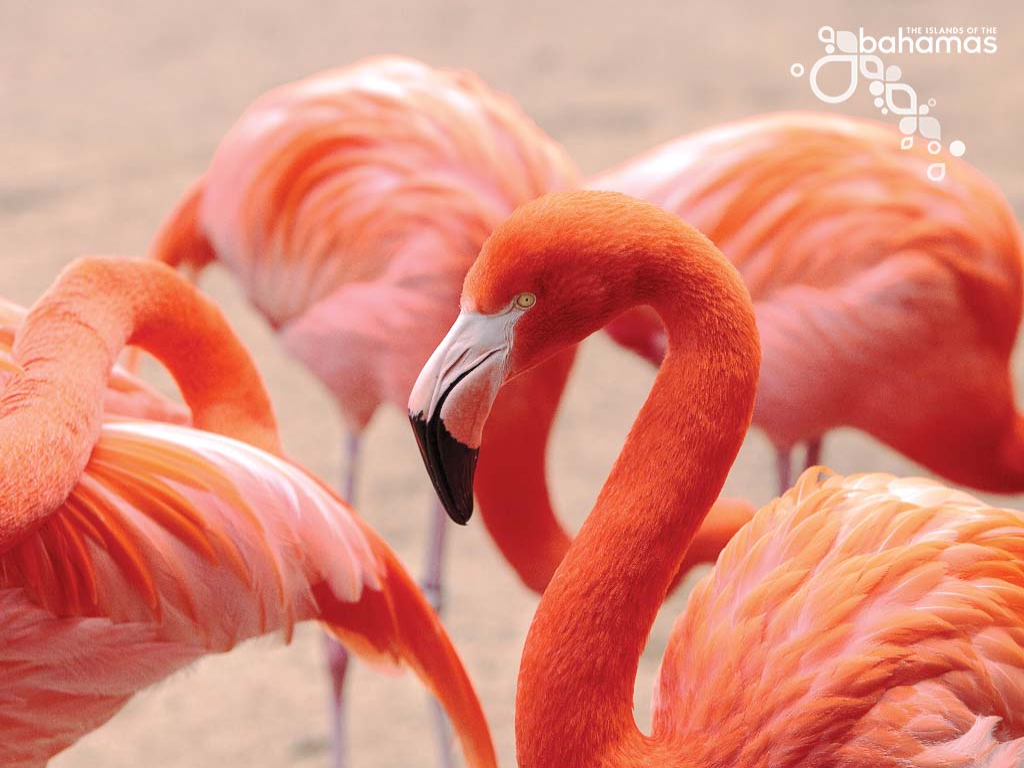
Inagua consists of two separate islands, Great Inagua and Little Inagua, both of which are known for their natural surroundings. Several unique animal species were discovered on Inagua, including a fast-moving fresh-water turtle, several different breeds of duck, a hummingbird, and a new type of lizard. Great Inagua is the Birdwatching Capital of The Bahamas. Inagua National Park covers 45% of the island and is home to over 80,000 West Indian Flamingos and over 140 species of birds, some of which are only found on Inagua. Little Inagua is a protected habitat for endangered sea turtles and features a vast reef that prevents boaters and sailors from getting too close to its shores.
Mayaguana is a great destination for travelers seeking an escape from reality. Featuring footprint-free beaches, plenty of fishing hotspots, and small countryside villages, Mayaguana is the perfect combination of quiet and charm. Visitors who are looking for adventure can dive through sea caves at Northwest Point, hunt for land crabs in the crevices of limestone rocks at Horse Pond Beach, or reel in a bonefish at one of the island’s many flats.
Ragged Island’s beaches and coves are perfect for having a picnic, looking for shells, or just relaxing under the sun. Fishermen love visiting Ragged Island for its unparalleled flats, which are ideal for bonefishing, along with the abundance of grouper, snapper, barracuda, tuna and king fish. The island also features several historical landmarks and quaint towns where you can purchase authentic handmade Bahamian crafts.

 Sea 'N More World Travel